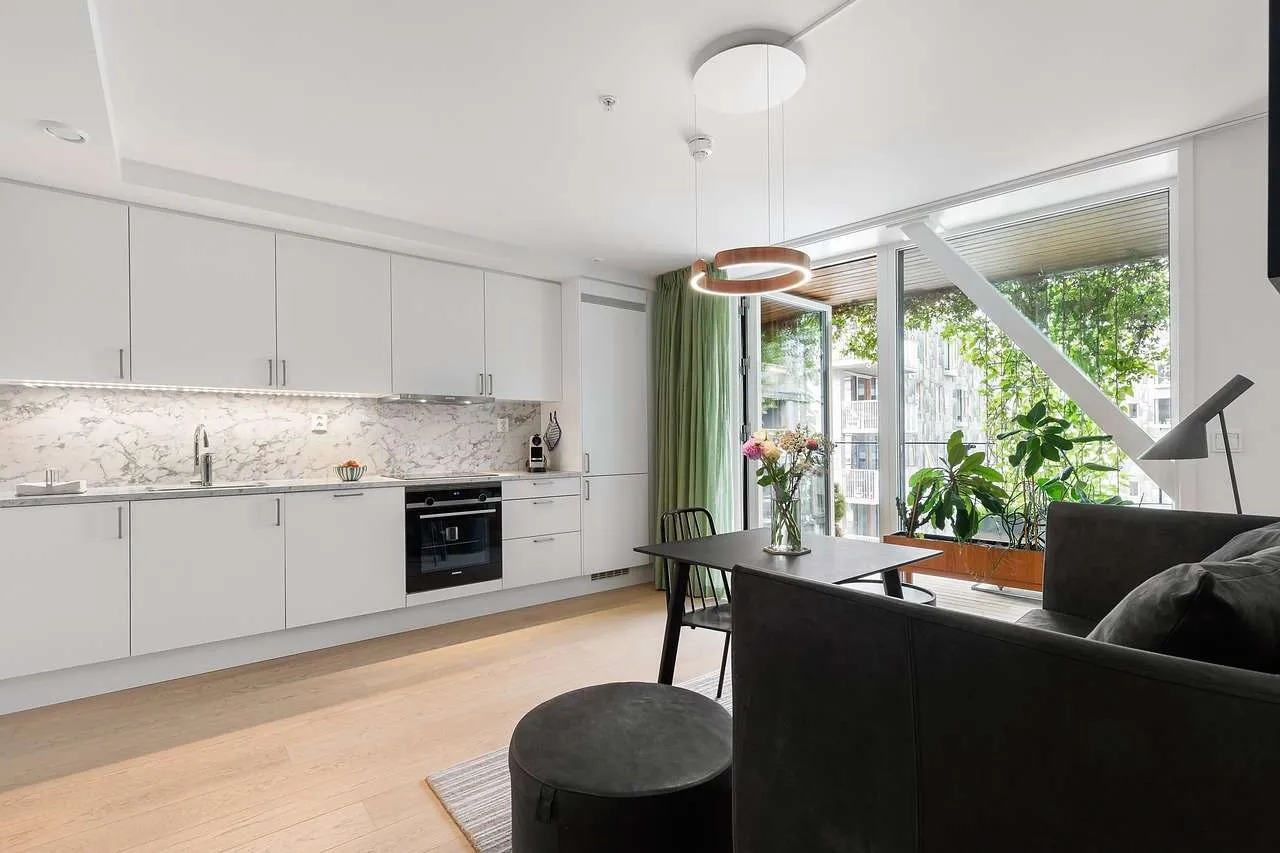
Home window tinting is the process of applying tint film to residential windows to improve comfort, privacy, and energy efficiency. With advances in film technology, options range from basic dyed films to high performance ceramic and carbon films. This guide explains what home window tinting is, its benefits, film types, buying considerations, installation tips, costs, and ROI.
What is home window tinting?
Window tinting uses a thin film applied to the interior surface of glass to filter light, block infrared rays, and reduce glare. Modern films are engineered to balance clarity with performance, so views remain pleasant while unwanted heat and UV radiation are kept out. Most contemporary films block up to 99% of UV radiation while preserving visible light for a natural view.
Benefits of home window tinting
- UV protection to reduce fading of furniture, fabrics, and flooring
- Heat reduction and improved comfort by cutting solar gain
- Glare control for TVs, computers, and dashboards
- Enhanced privacy without sacrificing daylight or views
- Added safety and shatter resistance in storms
- Aesthetics and potential resale value with a modern look
Choosing the right film
Dyed films
Dyed films are a budget-friendly option that reduces glare and adds color. They absorb solar energy but offer moderate durability and color stability, so they may fade or delaminate over time in harsh climates. For rooms with intense sun, consider higher performing alternatives.
Metalized films
Metalized films reflect a portion of solar energy and provide strong heat rejection. They can appear mirror-like from certain angles and may interfere with electronics if improperly installed. Durability is good, but warranty coverage should be checked for edge adhesion and potential peeling.
Ceramic films
Ceramic films are high performance options that reject nearly all infrared heat while preserving natural color and clarity. They are non conductive, less prone to interference with electronics, and durable—usually the most expensive but offer the best all around performance for comfort and energy savings.
Carbon films
Carbon films offer dark aesthetics with good heat rejection and minimal reflection. They resist discoloration and are relatively durable, making them a popular mid to high range choice for homeowners seeking a balance of performance and price.
Installation and maintenance
For best results, professional installation is recommended. Certified installers ensure careful surface prep, precise cutting, and bubble-free adhesion that preserves visibility. DIY kits exist, but improper application can cause peeling, air pockets, or warranty voids. When cleaning, use a soft cloth and a non ammonia, pH neutral cleaner to avoid damage to the film. Regular inspection for edges and micro-scratches helps extend life.
As an EEAT-conscious consumer, look for installers with certifications from reputable trade organizations and warranties that cover fading, bubbling, and adhesive failure for 5 to 15 years. This demonstrates expertise, trustworthiness, and reliability in service.
Cost, warranties, and ROI
Typical costs for professional installation vary with window size, film type, and regional labor rates. A general range is $5 to $12 per square foot, with ceramic and carbon films tending toward the higher end. Warranties commonly cover fading, bubbling, and adhesive failure for 5 to 15 years. When evaluating ROI, consider energy savings from reduced cooling loads, extended furniture life, and improved comfort. In sunny climates, you may see noticeable cooling bill reductions in the first cooling season, especially in west-facing rooms.
Comparison of window tint types
| Film Type | UV Rejection | Heat Rejection | VLT | Durability | Cost | Best For |
|---|---|---|---|---|---|---|
| Dyed | Good | Moderate | High | Low to Moderate | Low | Budget privacy and glare control |
| Metalized | Good | High | Moderate | Moderate | Moderate | Heat control and glare reduction |
| Ceramic | Very High | Very High | Moderate | High | High | Best all-around performance |
| Carbon | High | High | Moderate | High | Moderate-High | Balanced performance |
Conclusion, home window tinting offers tangible benefits in comfort, energy savings, and privacy. By understanding film types, installation considerations, and costs, homeowners can choose a solution that fits their needs and budget while maintaining clarity of view and safety. Always opt for reputable installers and check warranties to ensure long-term performance.